
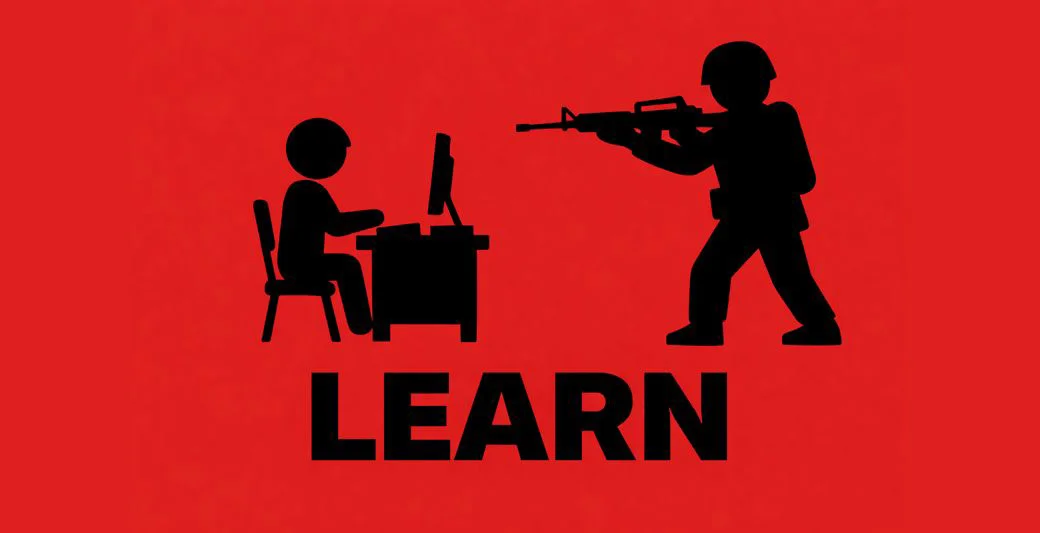
China has mandated “AI education” for every child. The reaction was immediate: China is pulling ahead. America is falling behind. Beijing is about to win the future.
This rests on the old fantasy that central planning can mandate brilliance, as if it were a software update. But China’s record with mandates isn’t impressive. It’s lethal.
The Great Leap Forward was the first demonstration. Mao decreed industrial greatness by sheer force of will. Backyard steel furnaces. Impossible grain numbers. Terror for anyone who told the truth. The result wasn’t progress. It was the worst famine in human history.
Then the Cultural Revolution. Mao, determined to reassert control, launched a national purge of “counter-revolutionaries.” Ideological purity became the only curriculum. The entire school system collapsed. Students recited the Little Red Book instead of learning. Libraries were ransacked. Books were burned, whether they were ideological threats or simply inconvenient reminders that knowledge once mattered. Armed factions fought one another to prove loyalty. China moved backward by a decade.
When Mao was satisfied that he had broken his enemies, the military crushed the remaining factions. It cemented Mao—the deadliest political leader on record—as the untouchable architect of the state. None of this was accidental. It was the logical end of government-mandated purity.
Then came the One Child Policy. A technocrat’s dream of demographic optimization. Decades of forced abortions and abandoned daughters left to die. The country now faces a demographic collapse and a gender imbalance so extreme it threatens long-term stability. Another miracle of command-and-control, if the goal was crippling the future.
China’s economic rise didn’t come from any of this. It came when Deng Xiaoping loosened the reins. Markets breathed. People experimented. Local governments improvised. Deng wasn’t a hero, but he understood something basic: prosperity requires stepping back, not pushing harder.
Xi Jinping is moving in the opposite direction. A committed Maoist, he has abolished term limits, consolidated power, and returned China to rule by mandate. Beijing loves five-year plans. Reality rarely cooperates.
If you want to see how mandated success actually performs, look at the schools that collapsed during the 2008 Sichuan earthquake. Thousands of children died because brand new, corruption-ridden construction failed while nearby older buildings stood. Parents demanded answers. Officials demanded silence. The state tried to bury the truth along with the bodies.
Artist Ai Weiwei refused to let it disappear. He helped organize volunteers to collect the names of the dead when the government wouldn’t. For a German exhibition, he assembled thousands of brightly colored child backpacks—the kind pulled from the rubble—across a museum façade. They formed a mother’s heartbreaking sentence about her daughter:
“She was happy in this world for seven years.”
That is what top-down perfection produces. Not brilliance. Not resilience. Collapse.
AI isn’t a mandate-driven technology. It rewards experimentation, failure, and open exchange; things Beijing routinely crushes. If China approaches AI the same way it approached steel furnaces, grain quotas, ideology, school construction, and demographics, the outcome won’t be dominance.
It’ll be repetition.
And someone will pay the price.









Leave a Reply